
How the Railroad Helped Shape Lemoore
Take a walk through Downtown Lemoore today and you'll find local businesses, historic buildings, community events, and friendly faces. It's easy to appreciate what makes our town special. But more than 140 years ago, Lemoore looked very different.
There was no bustling downtown district. No storefronts lining the streets. No community events drawing visitors from around Kings County. In fact, much of what we know and love about Lemoore today might never have happened without one powerful force that transformed communities across the American West: The railroad.
While modern travelers often take highways and freeways for granted, railroads were once the lifeline of growing towns. They carried people, products, supplies, news, and opportunities. For many communities throughout California, the arrival of the railroad determined whether a town would flourish or fade into history.

For Lemoore, the railroad helped turn a small agricultural settlement into a thriving community and laid the foundation for much of the town we know today.
Before the Railroad
In the late 1800s, the San Joaquin Valley was still developing. Agriculture was beginning to take root, and settlers were arriving to take advantage of fertile land and new opportunities.
Lemoore itself was founded in the early 1870s and named after Dr. Lovern Lee Moore, whose name was eventually shortened to "Lee Moore" and then simply "Lemoore."
Life in those early years was not easy.
Roads were primitive. Transportation was slow. Moving crops and goods to larger markets could be expensive and time-consuming. Farmers often struggled to get their products where they needed to go, limiting economic growth and making it difficult for communities to expand.
At the time, many California towns depended heavily on stagecoaches, wagons, and horse-drawn transportation. A trip that might take a few hours today could take days.
The arrival of the railroad changed everything.
The Railroad Comes to Town
By the late nineteenth century, railroads were expanding rapidly throughout California. Communities across the state competed fiercely for rail connections because they understood what they represented: economic opportunity. When railroad lines reached the Lemoore area, they connected local farmers and businesses to larger regional and national markets.
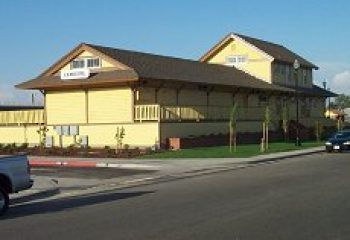
Suddenly, agricultural products grown in Kings County could be transported much more efficiently. Farmers could sell crops farther from home. Supplies could arrive faster. New residents could travel more easily. Businesses could reach more customers.
The railroad didn't simply provide transportation. It connected Lemoore to the rest of the country.
Agriculture Takes Off
If there is one industry that defines Kings County's history, it is agriculture.
The fertile soils surrounding Lemoore have long supported farming operations that produce food for California, the nation, and even international markets. But agriculture depends on transportation. Growing crops is only half the challenge. Farmers must also move those crops to processors, distributors, and consumers.
The railroad made that possible on a much larger scale. As rail connections improved, local farmers gained access to new markets and increased opportunities for growth. Crops that once had limited reach could now be transported much greater distances.
The economic benefits extended well beyond individual farms. Agricultural success created jobs. Jobs attracted families. Families supported schools, churches, businesses, and community organizations. In many ways, the railroad helped create the economic foundation upon which modern Lemoore was built.
Building a Downtown
Railroads have historically influenced the way towns develop. Businesses naturally wanted to locate near transportation hubs where customers, shipments, and travelers were concentrated. As a result, commercial districts often grew around railroad routes and stations. Lemoore was no exception.
As commerce increased, businesses began establishing themselves in strategic locations to serve residents, travelers, and agricultural interests. Stores, hotels, restaurants, banks, and professional services followed economic activity generated by transportation and trade.

Over time, these businesses helped create the downtown district that remains the heart of the community today. Many of the historic buildings that contribute to Downtown Lemoore's character exist because generations of entrepreneurs saw opportunity in a growing town connected by rail.
More Than Freight
When people think about railroads, they often focus on moving goods.
But railroads moved people too. Before automobiles became common, rail travel provided one of the most efficient ways to travel long distances. The railroad brought visitors into town and allowed residents to travel beyond the region more easily. New ideas arrived alongside passengers. Business opportunities expanded. Communities became less isolated. New homes were built. Public services improved. Community organizations formed. Downtown businesses diversified.
The railroad helped transform Lemoore from a relatively remote agricultural settlement into a connected and growing community. It opened doors to education, commerce, communication, and cultural exchange. Each step of growth built upon previous successes, creating momentum that helped shape Lemoore's future.
Today, many aspects of life that residents enjoy—from local businesses to community events—can trace their roots back to periods of growth that were made possible, in part, by railroad connections.
Traces of History Still Visible Today
Although transportation has evolved dramatically since the railroad's earliest days, its influence remains visible throughout Lemoore. Historic buildings, business districts, agricultural operations, and community institutions all reflect decades of growth that were shaped by transportation networks and economic opportunity.
Many longtime residents have stories connected to the railroad, whether through family history, agricultural work, commerce, or memories of train travel itself. For local historians and preservation advocates, the railroad serves as a reminder that communities are built over time through countless decisions, investments, and acts of determination.
The success of Lemoore did not happen overnight. It was built by generations of residents who recognized opportunities and worked together to create a thriving community.
Looking Down the Tracks
Downtown Lemoore continues to evolve just as it has for generations. New businesses open their doors. Community events bring people together. Organizations work to preserve local history and strengthen the downtown district.
While modern transportation looks very different than it did in the nineteenth century, the spirit that helped build Lemoore remains the same. People continue to invest in the community. Local businesses continue to serve residents. Organizations continue to preserve our heritage.
And Downtown Lemoore continues to serve as the heart of a town whose story was shaped, in no small part, by the railroad.
The next time you stroll through downtown, consider the generations of people who helped build this community. Many of them arrived, worked, traded, traveled, and dreamed during an era when the railroad represented progress and possibility.
Those tracks carried more than passengers and freight.
They carried the future of Lemoore.


Comments